
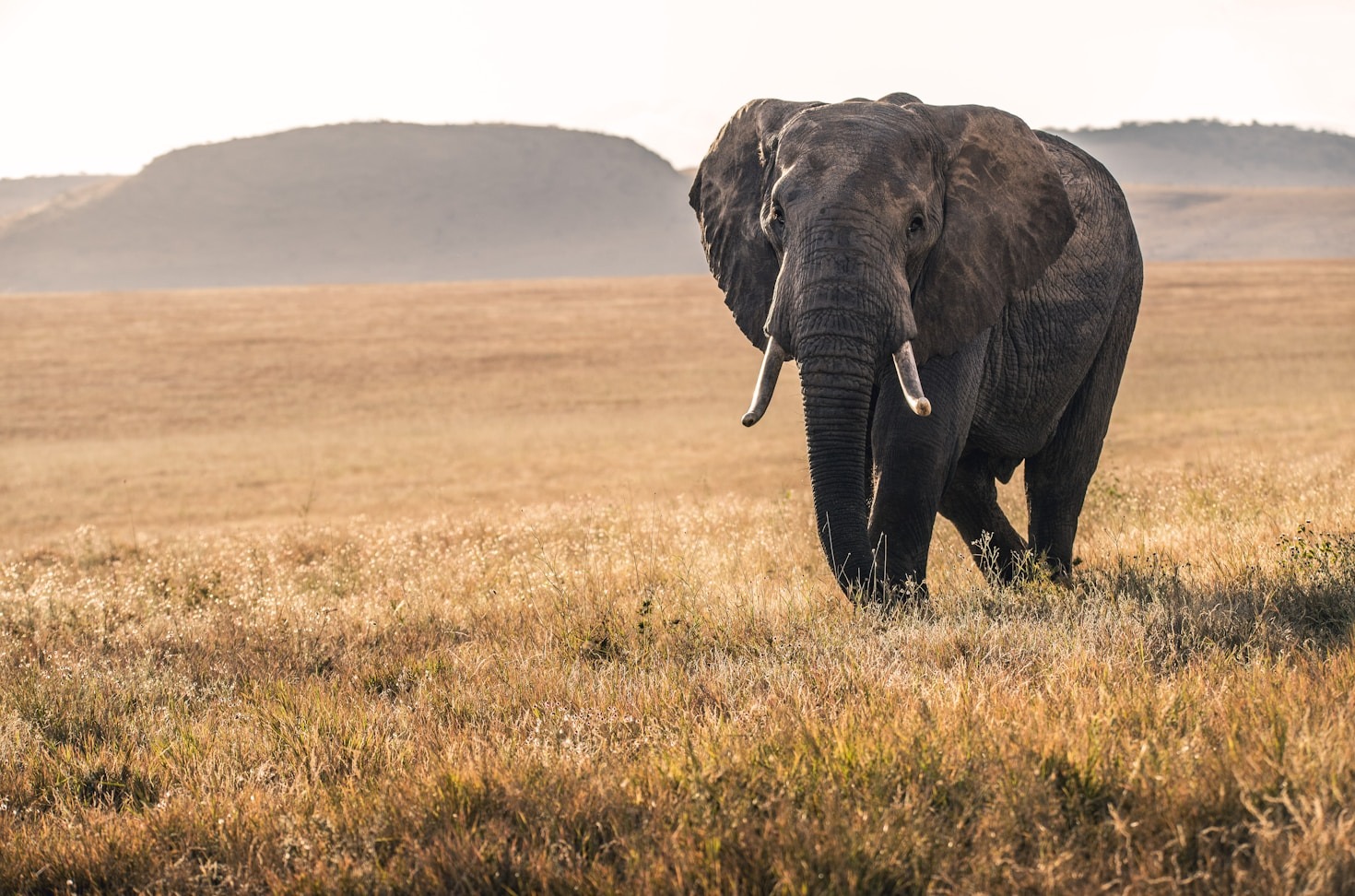
Uganda is more than a country—it is a cradle of life. Nestled in the heart of Africa, this landlocked nation boasts one of the richest tapestries of biodiversity on the planet. From mountain gorillas hidden in misty forests to shoebill storks guarding the swamps, Uganda is a global biodiversity hotspot that matters far beyond its borders.
At Judy K Wildlife and Natural Uganda LTD, we champion the urgent need to protect this biodiversity—not just for Uganda, but for the entire world.
🐘 What Makes Uganda’s Biodiversity So Special?
Uganda lies at the intersection of several major ecological zones, giving rise to an astonishing range of species and ecosystems:
-
Over 1,000 species of birds—making Uganda a birder’s paradise
-
More than 345 species of mammals, including iconic gorillas, elephants, and lions
-
500+ species of fish in freshwater lakes and rivers
-
Thousands of plant species, from ancient medicinal trees to rare orchids
-
Unique ecosystems like tropical rainforests, highland moorlands, wetlands, and savannahs
Few countries of Uganda’s size support such diversity of life in such density. It’s why conservationists call it the “biological pearl” of Africa.
🌿 Why the World Needs Uganda’s Biodiversity
Uganda’s biodiversity doesn’t just belong to Ugandans—it’s part of the Earth’s shared heritage. Here’s why it matters globally:
1. Climate Regulation
Uganda’s forests and wetlands act as natural carbon sinks, storing vast amounts of CO₂ and helping stabilize global temperatures. Destroying them accelerates climate change.
2. Medicinal Discoveries
Many of Uganda’s plant species contain compounds with powerful medicinal properties. They hold the key to future treatments for diseases that affect people worldwide.
3. Species Survival
Uganda is one of the last safe havens for endangered species like the mountain gorilla and the golden monkey. Their survival may depend on our conservation efforts here.
4. Water and Food Security
The Nile, the longest river on Earth, originates in Uganda. Its health is tied to the forests and wetlands that surround it—affecting water access for millions across Africa.
5. Global Scientific Research
From botany to primatology, Uganda is a living laboratory for global researchers studying ecosystems, species behavior, and sustainable development.
🚨 The Threats Are Real—and Urgent
Despite its richness, Uganda’s biodiversity is under serious threat:
-
Deforestation
-
Illegal wildlife trade
-
Wetland degradation
-
Encroachment from agriculture
-
Climate change impacts
-
Loss of indigenous knowledge
These challenges not only risk Uganda’s environment—they threaten global biodiversity, climate goals, and even human health.
💪 Our Role in Protecting Uganda’s Biodiversity
At Judy K Wildlife and Natural Uganda LTD, we are committed to protecting biodiversity through:
-
Habitat conservation and reforestation
-
Wildlife protection and anti-poaching advocacy
-
Community engagement and education
-
Sustainable agroforestry and eco-tourism
-
Partnerships with local and international organizations
We believe that preserving Uganda’s biodiversity is a global responsibility—and that local action can lead to planetary change.
🌎 You Can Help Protect the World’s Natural Treasure
No matter where you are, you can play a role in preserving Uganda’s biodiversity:
✅ Support conservation programs
✅ Donate to wildlife protection projects
✅ Raise awareness in your community
✅ Choose eco-friendly products and tourism
✅ Partner with us to amplify our reach
🦋 Uganda’s Biodiversity Is the World’s Gift—and Its Responsibility
The forests, rivers, and creatures of Uganda are not just national treasures. They are part of a global ecosystem that supports all life. If we lose them, we lose more than beauty—we lose balance, potential, and hope.
Let’s protect Uganda’s biodiversity—for ourselves, for future generations, and for the planet.
👉 Join us and become a voice for the wild.


As you move toward the midpoint of the article, this paragraph provides an opportunity to connect earlier ideas with new insights. Use this space to present alternative perspectives or address potential questions readers might have. Strike a balance between depth and readability, ensuring the information remains digestible. This section can also serve as a transition to the closing points, maintaining momentum as you steer the discussion to its final stages.
Wrapping Up with Key Insights
In this concluding paragraph, summarize the key takeaways from your article, reinforcing the most important ideas discussed. Encourage readers to reflect on the insights shared, or offer actionable advice they can apply in their own lives. This is your chance to leave a lasting impression, so make sure your closing thoughts are impactful and memorable. A strong conclusion not only ties the article together but also inspires readers to engage further.
Leave a Reply